Why Global Travel Increases the Need for Interpretation
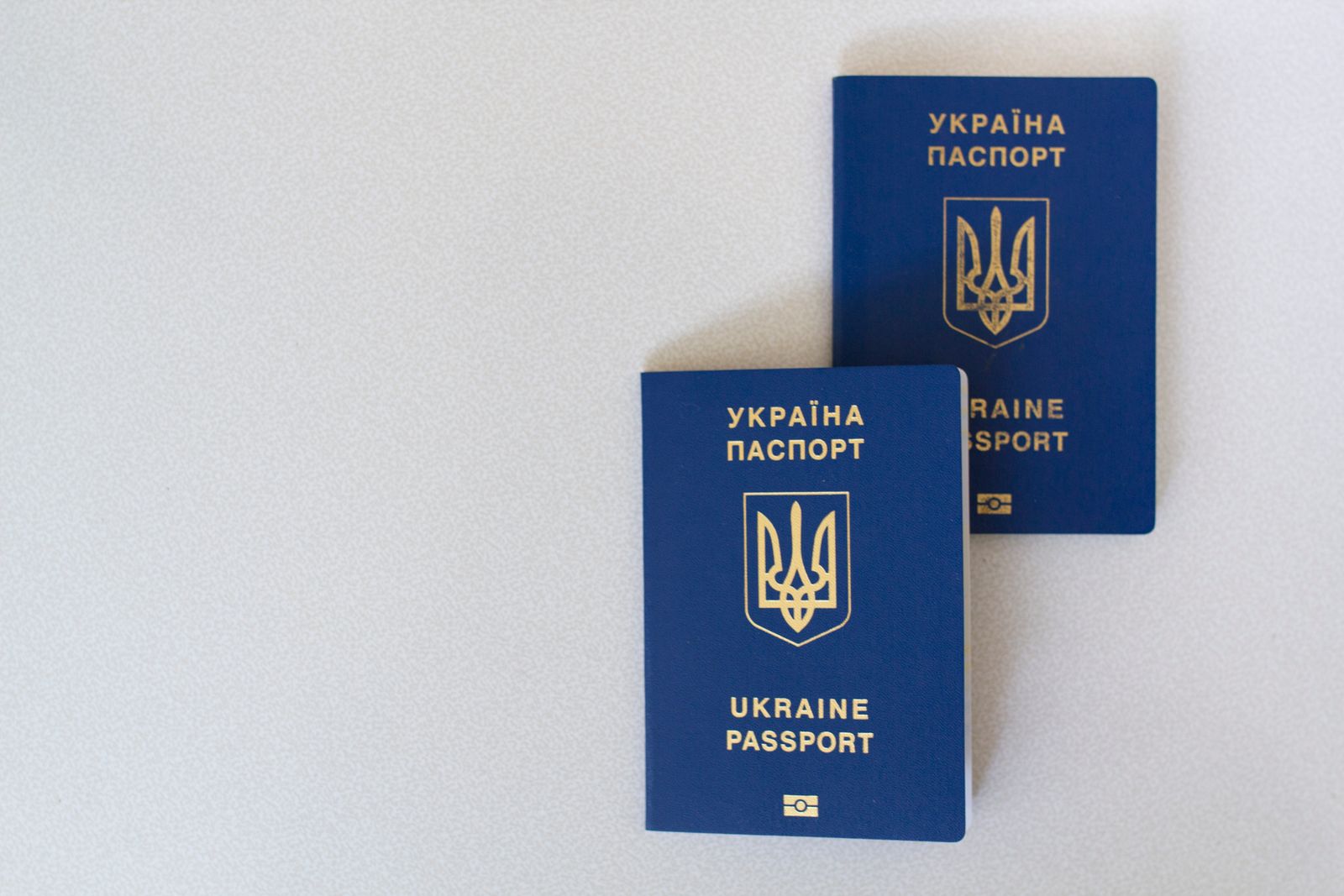
Business travel across multiple countries in a single trip has become routine for many companies and that routine has quietly created a language problem that few travel budgets account for. A sales team that visits three countries in a single week may need spoken language support that shifts from one language to another every single day. Booking a different in person interpreter for each stop is expensive and often impossible on short notice. Travel schedules built around back to back client visits rarely leave enough lead time to arrange in person interpretation the traditional way for every single stop on the itinerary.
The rise of remote interpretation has changed what is realistic for a traveling team to arrange. A company that once needed weeks of lead time to book a qualified interpreter for a factory visit or a supplier negotiation can now connect with one from a hotel room the night before a meeting. That shift has made multilingual travel dramatically more practical but it has also created a new failure mode. Teams sometimes treat remote interpretation as an easy commodity rather than a specialized service that still requires real preparation.
Travelers who have used a poorly matched interpreter describe a familiar pattern. The interpreter speaks both languages fluently but has no background in the specific industry being discussed. A conversation about manufacturing tolerances or contract penalty clauses moves quickly into technical territory that a general interpreter was never trained to handle. The result is a meeting where both sides nod along without actually reaching the same understanding of what was agreed.
This gap matters most in exactly the situations where travel makes a meeting worth having in the first place. A video call can handle a routine check in without much translation risk. A trip halfway around the world usually exists because something important needs to be negotiated face to face and that is precisely when a mismatched interpreter causes the most damage. Companies that have been burned by this once tend to start vetting interpretation providers with the same seriousness they apply to legal counsel. That shift in seriousness usually happens only after a costly meeting has already gone badly which is a more expensive way to learn the lesson than building the vetting habit early.
Event organizers face a related but distinct version of this problem when planning multilingual conferences that bring attendees from a dozen countries into one venue. Getting interpretation coverage right for a keynote session is very different from getting it right for a small breakout negotiation and organizers who plan for only one of those scenarios often find themselves scrambling when the other comes up unexpectedly. Conference planners who have run multilingual events more than once tend to build separate interpretation plans for the main stage and the side rooms rather than assuming one provider can smoothly cover both.
Why Phone Based Interpretation Needs a Real Provider
Sales teams negotiating supplier terms from an airport lounge or a hotel room often need interpretation support on almost no notice at all. Working with a genuine provider of over the phone interpretation company support gives traveling teams a reliable option instead of scrambling to find a bilingual colleague who happens to be free at the right moment.
Procurement managers who negotiate internationally say having a vetted phone interpretation provider on call changes how confidently their teams handle an unplanned call that suddenly turns into a real negotiation. Being able to bring in a qualified interpreter within minutes rather than days has closed deals that would otherwise have had to wait for the next scheduled trip. That speed advantage compounds over a year of travel since every negotiation that closes sooner frees a team to move on to the next opportunity instead of waiting on a follow up trip.
Video Based Interpretation Solves A Different Problem
Factory audits supplier visits and technical negotiations increasingly happen over video rather than phone since seeing equipment or documents matters as much as hearing the conversation. A team that books genuine remote interpretation services for these calls gets an interpreter who can follow visual context alongside the spoken conversation rather than working from audio alone.
Engineers who rely on remote interpretation for supplier audits say the difference shows up most clearly when a technical disagreement requires pointing at a specific part or document while explaining a concern. An interpreter unfamiliar with the visual context of a video call tends to lag behind the conversation in exactly the moments when precision matters most.
What Travel And Trade Researchers Say About Language Risk
Groups such as the OECD have noted that cross border business activity increasingly depends on fast reliable language support since deals now move at a pace that in person interpretation booking alone cannot always match.
Researchers linked to the International Monetary Fund have also observed that companies expanding into new markets benefit from standing language service relationships rather than one off bookings since a trusted interpreter who already understands a company's industry can be deployed far faster when an unplanned negotiation arises.
A Practical Lesson For Traveling Teams
Companies that travel internationally only occasionally often assume that any interpreter who speaks both languages fluently will do the job well enough. Companies that travel constantly tend to describe the lesson differently since fluency alone rarely covers the technical and industry specific vocabulary a real negotiation requires.
Building a standing relationship with an interpretation provider before the next trip is booked tends to pay off exactly when a meeting suddenly becomes more important than expected. Teams that wait until they are already abroad to arrange language support are the ones most likely to end up with a mismatch at the worst possible moment.
Companies that treat interpretation as a standing part of how they do international business rather than a last minute booking tend to close more deals and avoid more misunderstandings across every market they enter. Other traveling teams would do well to build these relationships before their next trip rather than after a costly miscommunication in an unfamiliar market. The cost of arranging reliable interpretation ahead of time is almost always smaller than the cost of untangling a deal that went sideways because two sides never actually understood each other.