
Thailand tried to grow Thai Wikipedia with statistical machine translation. The idea was right and the mechanism was wrong, for reasons every localization team now recognises.
Thailand tried to grow Thai Wikipedia with statistical machine translation. The idea was right and the mechanism was wrong, for reasons every localization team now recognises.
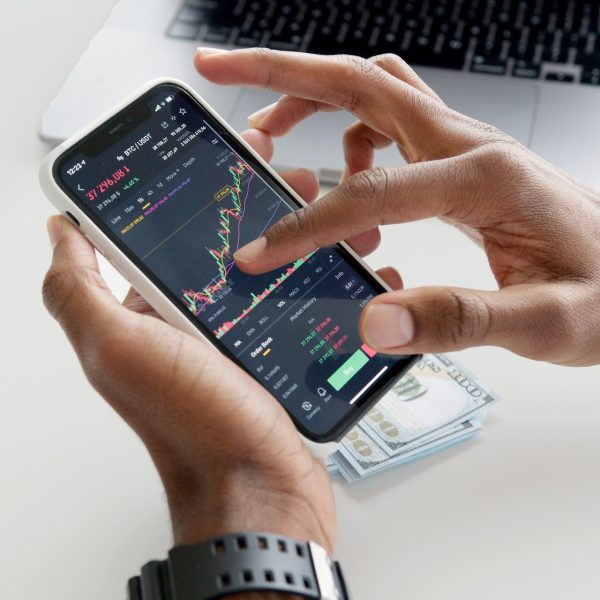
Estimates of the translation market span a tenfold range because nobody agrees what to count. What is not disputed is why it exists, or which tiers automation actually took.

Google Conversation Mode turns Android phones into speech translators, but background noise, accents and fast talk still expose the limits of machine interpreting.

Google prototype Conversation Mode records speech on Android and plays it back in another language, promising travellers real time translation that still depends on battery and signal.

From Rihanna backwards French tattoo to a prison handbook promising an execution yard, the annual Jelly Donut Awards collect the five worst translation errors of the year.

The research firm predicts language moves from back-office cost to revenue lever in 2011, with machine translation, crowdsourcing and video localization leading the shift.

Google's Mustafa Icil described two systems, speech-to-text and text translation, and the plan to bolt them together into live spoken translation.

Google built a system to translate poetry with metre and rhyme intact. The experiment exposed exactly where machine translation stops being translation.

Google added Latin to Google Translate, announced it in a blog post written entirely in Latin, and predicted the results would be among its most accurate.
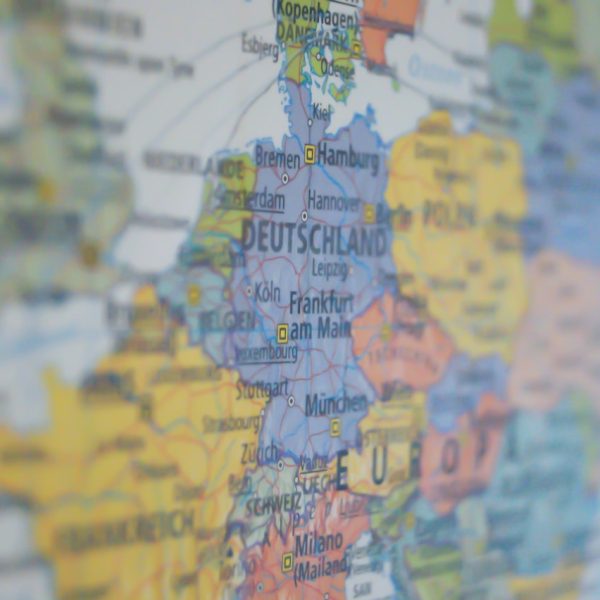
Cloud translation could let two colleagues talk across any language. Europe’s privacy rules decide where the recording of that call is allowed to travel.
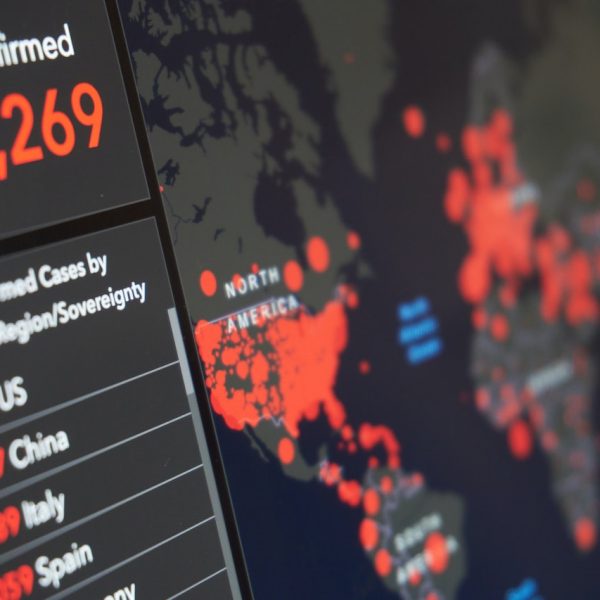
Crisis Commons found a global network of Creole speakers to translate emergency texts after Haiti's earthquake, and is now recruiting translators for Pakistan.

Google is redesigning Translate for discoverability, not accuracy, and adding a page that explains how statistical machine translation actually works.

Helsinki startup XIHA offered content in 56 languages and, unlike LinkedIn, paid its translators. The premise outlived the platform.

Leeds researcher Serge Sharoff has £700,000 from the European Commission to build term banks that could reshape machine translation and language teaching alike.

Common Sense Advisory surveyed 651 providers in 75 countries: demand is up over 13% a year, translation rates are down, and memory discounts hit 48%.

Acrolinx, Asia Online, Clay Tablet and Milengo built a best-of-breed translation stack aimed squarely at SDL, and the seams are where it lives or dies.
We use cookies to give you the best online experience, remember your preferences, and understand how the site is used. You can accept all cookies, reject optional ones, or choose which categories to allow.
Privacy PolicyChoose which cookies we can use. Necessary cookies stay on because the site cannot work without them.
For more details, read our Privacy Policy.